

Structured Skin & Anti-Aging Programs
Skin & Anti-Aging Programs are physician-guided clinical programs designed to support physiological pathways involved in skin integrity, cellular function, metabolic balance, and hormonal signaling.
Programs may include:
- GHK-Cu
- NAD+
- NAD+ with Glutathione
- Glutathione
These therapies are implemented within physician-directed care plans requiring medical evaluation, prescription, and ongoing provider oversight.
Skin & Anti-Aging Programs are designed to support individualized longevity and wellness strategies through structured clinical planning and monitoring.
What to Expect During a Skin & Anti-Aging Program
Skin & Anti-Aging Programs are implemented within structured clinical protocols designed for individualized evaluation and ongoing monitoring.
Patients may expect:
- Initial medical evaluation and eligibility assessment
- Individualized protocol planning
- Structured administration guidance
- Scheduled follow-up and monitoring
- Integration with broader wellness and longevity strategies
Clinical oversight remains essential throughout participation to support individualized adjustment and safety-focused care.
These programs are designed as structured long-term medical strategies rather than short-term cosmetic approaches.
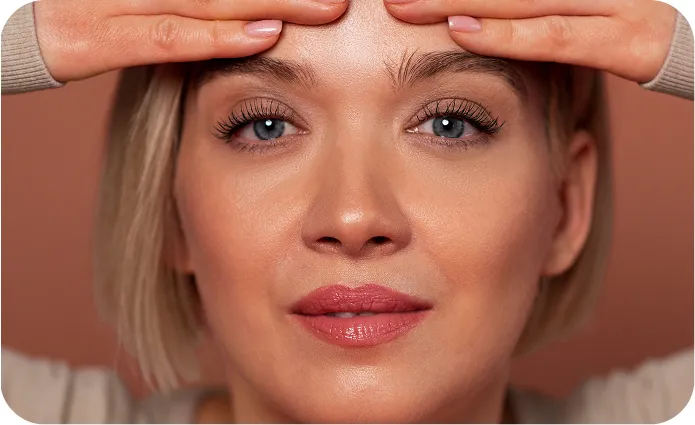
Understanding Skin & Anti-Aging Support
Skin & Anti-Aging therapies are utilized within physician-directed protocols designed to support physiological pathways involved in:
- Neurological signaling
- Collagen signaling
- Tissue repair mechanisms
- Cellular energy production
- Oxidative balance
- Hormonal signaling pathways
Programs may include therapies such as GHK-Cu, NAD+, Glutathione, and more, integrated into individualized protocols based on provider evaluation and clinical considerations.
Treatment recommendations, monitoring schedules, and administration guidance are determined exclusively by the licensed healthcare provider.
Physician-Guided Care Matters
Skin & Anti-Aging Programs are implemented within physician-directed clinical protocols designed to prioritize:
- Appropriate patient evaluation
- Individualized protocol selection
- Ongoing monitoring
- Structured follow-up care
- Safety-focused oversight
Compounded therapies require a prescription and medical supervision.
Patients should maintain open communication with their provider and report any new symptoms, concerns, or medication changes during participation.
These programs are not appropriate for everyone, and responses vary based on individual health factors and adherence to provider guidance.
FAQ
Is summer a common time to begin a longevity-focused program?

Seasonal transitions often encourage individuals to reassess routines, wellness priorities, and long-term health goals. Your provider will determine whether a Skin & Anti-Aging Program is appropriate for your clinical profile.
Are these programs intended for cosmetic transformation?
No. Skin & Anti-Aging Programs are structured medical strategies implemented within physician-directed protocols designed to support physiological pathways associated with skin and cellular health.
Will my program require monitoring?
Yes. Ongoing provider oversight and follow-up remain essential components of structured longevity-focused care.
Can treatment plans vary between patients?
Yes. Protocols and recommendations are individualized based on provider evaluation, medical history, health status, and clinical goals.
Are compounded longevity-focused therapies FDA-approved?
Compounded medications are not FDA-approved. They are prepared pursuant to a prescription for an individually identified patient and require medical supervision.